The Rarer Side of Hwange
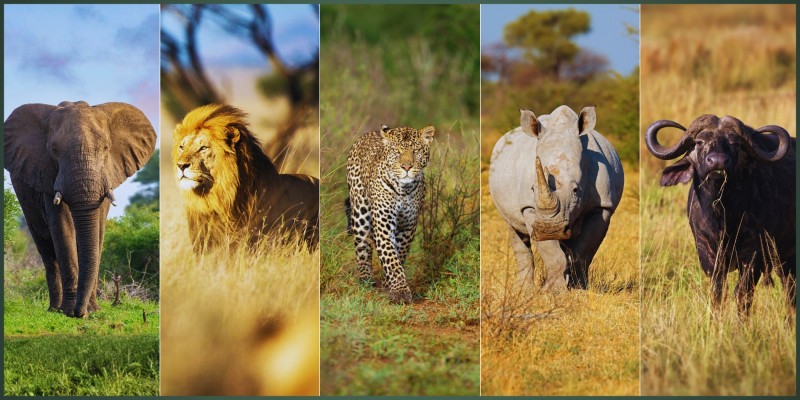
In Hwange National Park, the scale alone is arresting.. with wide horizons, ancient teak forests, and elephants in astonishing numbers. But spend a little longer and the story shifts. The real magic lies in the species that require time. These are the animals you search for, learn about, and sometimes only glimpse after hours of following signs in the sand.
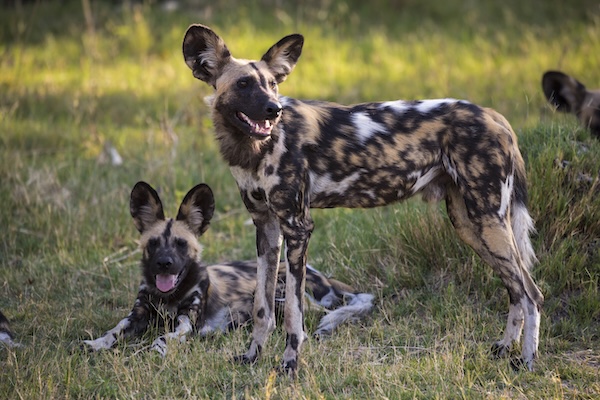
Often overshadowed by their larger feline cousins, the African Painted Dog (Lycaon pictus) is arguably Hwange’s most compelling spectacle. With coats that look like abstract art and a unique social structure, these highly endangered carnivores are relentless hunters and devoted family units. Hwange is one of Southern Africa's last true strongholds, offering unparalleled opportunities to witness their pre-hunt rituals or the affectionate greetings that define their pack cohesion.
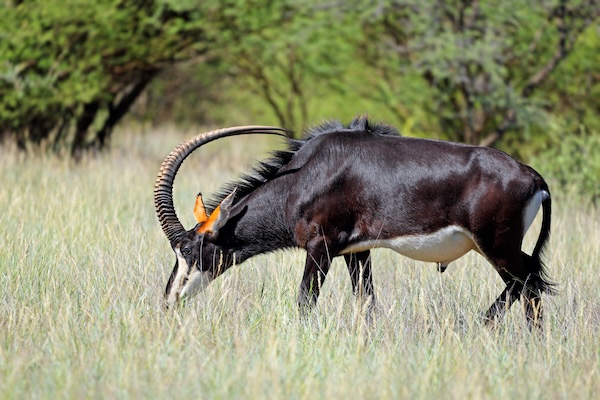
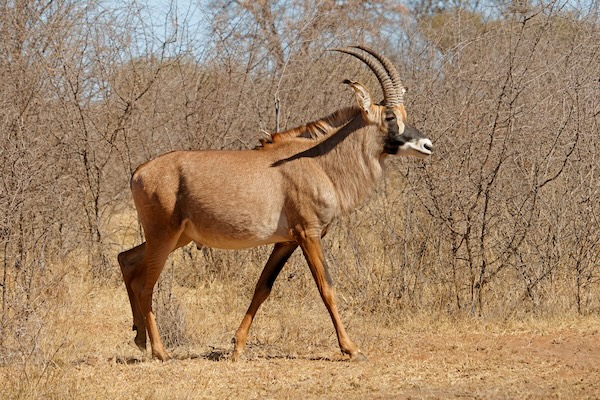
Hwange’s diverse habitats, from teak woodlands to open grasslands, are prime territory for two of Africa’s most visually stunning antelopes: the Sable and the Roan. The Sable Antelope (Hippotragus niger), with its striking black coat, white belly and magnificent curved horns, carries an almost regal presence. They are fierce defenders of their territories. Equally captivating is the Roan Antelope (Hippotragus equinus), slightly larger with a distinctive reddish-tan coat and a vivid black-and-white facial mask that gives it an almost ceremonial appearance. These two species, often elusive elsewhere, thrive in Hwange, demanding a keen eye and patient observation.
While the Spotted Hyena carries an unfair reputation for cowardice, Hwange National Park reveals a far quieter story. Here, night drives sometimes offer a glimpse of its elusive cousin the Brown Hyena (Hyaena brunnea), one of Africa’s rarest large carnivores. Shaggy, solitary, and often patrolling the park’s drier fringes, it moves with a purpose that feels almost ancient. To encounter one is less a sighting and more a privilege.
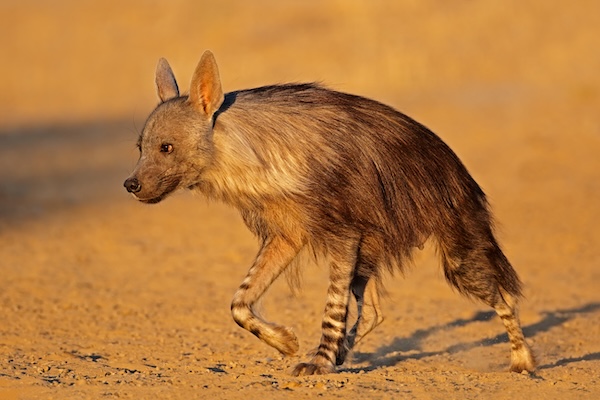
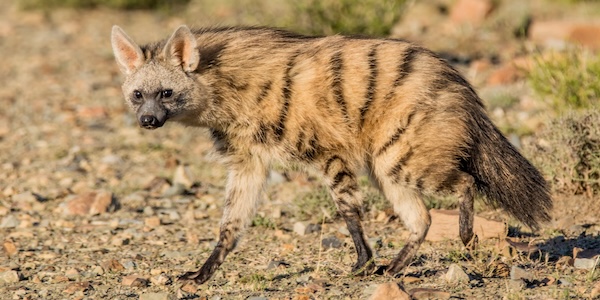
Even smaller and shyer is the Aardwolf (Proteles cristata), a termite-eating specialist that resembles a mini-hyena. These delicate creatures are masters of the night, their presence highlighting the important food webs often overlooked during daylight hours.
What makes Hwange National Park so rewarding for rare sightings? Its sheer scale and variety of habitats - and the space it affords you. The roads are quieter here. Encounters feel unhurried. With experienced guides who read the smallest signs in the sand and understand animal behaviour intimately, the search becomes part of the story.
For the traveler who has "seen it all," Hwange redefines the safari. We invite you to move beyond the checklist and delve into one of Africa's largest wildlife ecosystems - a place where the rare is still truly wild, and the untamed reveals its secrets to those who seek them.