The BaNambya of Hwange
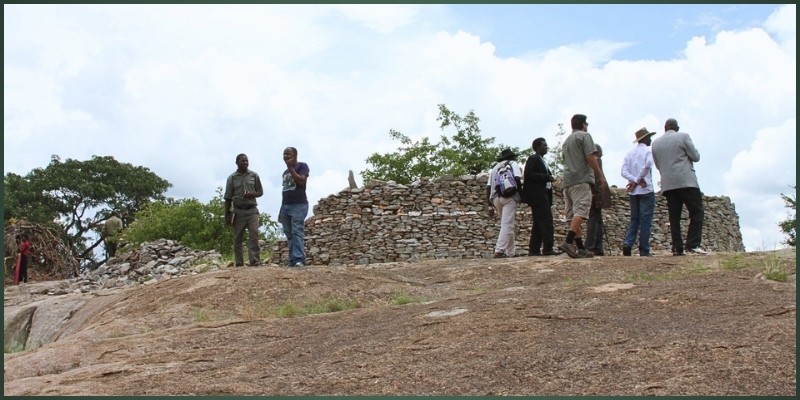
Hwange is widely known for its wildlife, yet long before the national park existed, this land was already named, governed and spiritually anchored by the BaNambya people. Today, the BaNambya remain the largest indigenous community in the Hwange area, with a history that is not only preserved in oral memory but etched into the landscape itself.
The origins of the BaNambya are closely linked to the Rozvi civilisation, which emerged from Great Zimbabwe and spread across much of the region between the fifteenth and eighteenth centuries. Oral tradition places King Dendelende Sawanga at the centre of Nambya history - a Rozvi leader who migrated north and established powerful stone-built capitals in what is now Hwange District. Sites such as Mtoa, Shangano and Bumbusi stand as evidence of this legacy, reflecting the same architectural intelligence seen at Great Zimbabwe. These have become sacred ancestral places that continue to hold spiritual and cultural significance for the community. Even the name “Hwange” carries this history. It is derived from the Nambya form of Sawanga’s name, permanently linking the land to its original custodians. This linguistic inheritance reinforces a broader truth: Nambya identity is inseparable from place.
Language remains one of the strongest expressions of that identity. The BaNambya speak ChiNambya, a Shona-related language officially recognised in Zimbabwe. Through storytelling, proverbs, praise poetry and everyday speech, the language preserves knowledge about leadership, land stewardship and social responsibility. While modern pressures exist, ChiNambya continues to be spoken in homes and traditional courts, anchoring cultural continuity across generations. Socially, the BaNambya are organised under traditional leadership structures led by recognised chiefs, including Chief Hwange, Chief Mvuthu, Chief Shana and Chief Nekatambe. Leadership is both administrative and spiritual. Chiefs are custodians of land, culture and ancestral law, supported by headmen and elders who guide communal life through consensus and collective responsibility. Respect for ancestry, communal wellbeing and harmony with the land remain central values.
Spiritual life among the BaNambya is deeply rooted in ancestral reverence. Sacred landscapes - especially stone sites, hills and water sources - are understood as dwelling places of ancestral presence. Rituals are conducted to seek rain, restore balance and honour those who came before. Mtoa, Shangano and Bumbusi, in particular, are treated with reverence and protected through cultural protocol, reinforcing the belief that heritage is lived, not displayed. Music and artistic expression further animate Nambya culture. Traditional instruments such as the mbira and hosho accompany songs used in ceremonies, storytelling and communal gatherings. These musical traditions are dynamic rather than frozen in time. Community initiatives like Kune Ngoma support young people in learning traditional instruments while creating new compositions grounded in Nambya rhythm and worldview, ensuring continuity without losing relevance.
Craftsmanship also plays an important role in daily life. Wood carving, clay pottery and ilala palm basket weaving are long-standing practices passed down through families. Nambya baskets, woven using natural dyes and geometric patterns, serve practical purposes while also carrying cultural meaning. Each piece reflects knowledge of the environment and the patience of intergenerational learning.
Through the work of the Association of Tourism Hwange, visitors are encouraged to experience Hwange not only as a wildlife destination, but also as a living cultural landscape shaped by the BaNambya people over centuries. When you visit Hwange, you are stepping into a piece of history - one where ancestral stone cities, language, music and community remind us that this land offers far more than wild animals alone.